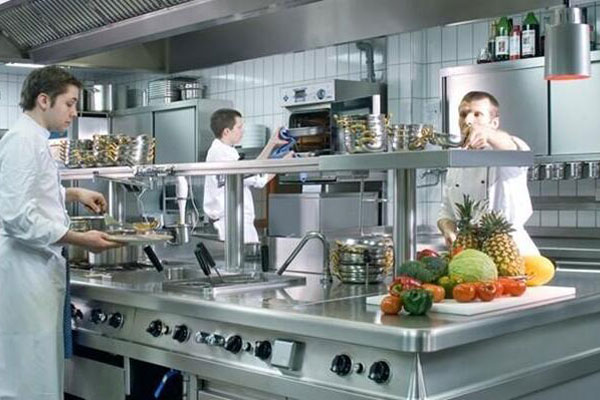
Restaurant kitchen equipment plays a crucial role in the efficiency, safety, and overall success of any foodservice establishment. Whether it is a small café, a bustling fast-food outlet, or a high-end fine-dining restaurant, the tools and appliances used in the kitchen directly influence food quality, workflow, and staff productivity. Because every dish starts with preparation and ends with precise execution, the reliability and functionality of equipment determine how smoothly operations run from the moment ingredients arrive to the moment a customer receives a plated meal. Selecting the right equipment is not simply a matter of stocking a kitchen; it is an investment in long-term performance and customer satisfaction.
One of the key reasons restaurant kitchen equipment matters so much is consistency 餐廳廚房設備. Chefs rely on trustworthy appliances to maintain steady temperatures, uniform cooking results, and predictable performance. An oven that fluctuates in heat or a refrigerator that cannot maintain a safe temperature can compromise food quality and food safety. When equipment performs consistently, chefs are able to recreate the same dish dozens of times a day with identical results. This consistency builds a restaurant’s reputation because customers expect the same taste and quality every time they visit. Without dependable equipment, even the most talented culinary team will struggle to provide a reliable dining experience.
Efficiency is another major factor influenced by restaurant kitchen equipment. Professional kitchens operate under strict timelines, especially during peak hours. High-quality equipment helps streamline tasks, reduce prep time, and support quick cooking methods that allow staff to fulfill orders promptly. For example, powerful commercial mixers help prepare large quantities of dough or batter in minutes, while industrial food processors can chop, slice, and blend ingredients far faster than any manual method. Similarly, energy-efficient fryers, grills, and stoves heat up quickly and maintain steady temperature levels, allowing chefs to multitask without worrying about fluctuation or delay. The right equipment minimizes bottlenecks and ensures that operations run seamlessly from station to station.
Durability is equally important when choosing restaurant kitchen equipment. Unlike household appliances, commercial kitchen tools undergo intense daily use, often operating for hours without interruption. This level of demand requires sturdy, well-constructed equipment made from durable materials such as stainless steel. Quality equipment typically lasts longer, requires fewer repairs, and reduces the likelihood of breakdowns during busy service hours. Although high-quality items may come with a higher initial investment, their longevity often saves restaurants money over time by minimizing replacement costs and emergency service calls. Equipment reliability also protects the kitchen’s workflow, ensuring that operations remain smooth even during the busiest times of day.
Safety is a crucial consideration in the commercial kitchen environment. Heat, moisture, sharp tools, and fast-paced activity can create risks for both staff and customers if safety standards are not met. Restaurant kitchen equipment must meet health and safety regulations, including proper ventilation, fire suppression systems, and easy-to-clean surfaces that prevent bacterial growth. For example, commercial refrigerators and freezers must consistently maintain temperatures that inhibit the growth of foodborne pathogens. Similarly, ovens and stovetops should be equipped with insulation or safety features that help prevent burns. When the right equipment is paired with proper training, it significantly reduces the risk of accidents and food contamination.
Versatility also plays a vital role in choosing restaurant kitchen equipment. Modern kitchens often maximize space by selecting multifunctional appliances. Combination ovens, for instance, allow chefs to steam, roast, bake, or broil using a single machine. This flexibility not only saves valuable kitchen space but also allows chefs to experiment with different cooking styles without needing multiple appliances. Food processors, immersion blenders, and induction cooktops are additional tools that provide versatility while maintaining high performance. When equipment can handle multiple tasks, kitchens can operate more creatively and efficiently.
Restaurant kitchen equipment also contributes to the overall organization and cleanliness of the workspace. Well-designed prep tables, storage shelves, refrigeration units, and dishwashing systems help maintain order and minimize clutter. A clean, organized kitchen improves workflow, reduces cross-contamination, and supports faster service. For example, under-counter refrigerators provide quick access to ingredients without disrupting movement around the kitchen. Similarly, stainless steel prep tables offer durable, easy-to-sanitize surfaces that support hygienic food handling. The arrangement and quality of equipment help establish a well-structured environment that encourages teamwork and smooth operation.
Technology is increasingly shaping the future of restaurant kitchen equipment. Smart appliances equipped with digital controls, temperature sensors, automated timers, and energy-saving features make kitchen tasks more precise and efficient. These innovations help chefs maintain tight control over cooking conditions while reducing energy consumption and operating costs. For example, smart ovens can store preset cooking programs for popular dishes, ensuring perfect results every time. Digital refrigeration systems can monitor internal temperatures and alert staff when maintenance is required. These technological advancements improve both convenience and reliability, allowing restaurant teams to focus more on culinary creativity and customer service.
Cost efficiency is another major advantage of selecting the right restaurant kitchen equipment. Although high-quality appliances may require a larger initial investment, they often pay for themselves through improved energy efficiency and reduced repair costs. Energy-efficient refrigerators, ice machines, ovens, and dishwashers consume less electricity and water, significantly lowering monthly utility bills. Durable equipment also reduces downtime caused by breakdowns, which can be expensive and disruptive. By choosing appliances with low maintenance requirements and high performance ratings, restaurant owners can effectively balance cost and quality.
Furthermore, the right equipment can enhance the overall dining experience. A restaurant’s reputation often rests not only on food quality but also on the speed and consistency of service. When chefs work with reliable tools, they can deliver beautifully prepared meals with precision. This level of quality encourages customer loyalty and positive reviews, both of which are essential in the competitive restaurant industry. Whether it is perfectly grilled meat, crispy fried appetizers, or chilled beverages prepared at the right temperature, equipment plays a vital role in shaping the customer experience.